Why Is It That So Many Gen Z-ers Are Attracted to Older Digital Cameras?
Introduction
In a world where smartphones can capture incredibly sharp photos within seconds, it may seem surprising that many Gen Z users are becoming interested in older digital cameras. From compact point-and-shoot models to early digital cameras from the 2000s, these devices are finding new popularity among younger people. Their appeal is not necessarily about having the newest technology. Instead, older digital cameras offer a different photography experience, a distinctive visual style, and a sense of nostalgia that feels refreshing in today’s highly polished digital world.
The Appeal of Nostalgic Photography
One of the biggest reasons Gen Z is attracted to older digital cameras is nostalgia. Although many younger users were children or were not even born when some of these cameras were popular, they have grown up surrounded by references to the early 2000s through movies, music, fashion, and social media. Older cameras produce images that can remind people of family holidays, school events, birthdays, and early social media photography. Even for those who did not personally use these cameras, the look can create a connection to an earlier era of digital culture.
A Different Look from Smartphone Photos
Modern smartphones are designed to produce bright, detailed, and carefully processed images. Automatic HDR, portrait effects, artificial intelligence, and advanced image processing can make photographs look extremely polished. Older digital cameras often produce something quite different. Their images may have visible grain, stronger flash, softer details, unusual colors, or slightly imperfect exposure. These characteristics can give photographs a more natural and spontaneous appearance. For Gen Z users who want their social media content to feel less predictable, this imperfect aesthetic can be particularly attractive.
The Rise of the “Y2K” Aesthetic
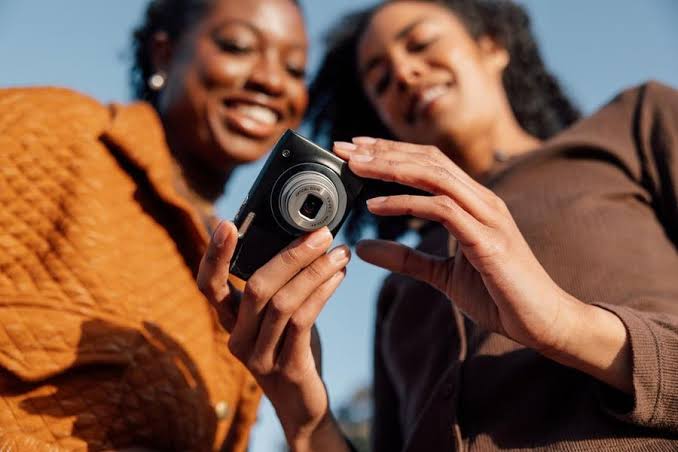
The popularity of Y2K-inspired fashion and design has also influenced photography trends. Clothing, accessories, music, and visual styles from the late 1990s and early 2000s have returned to mainstream youth culture. Older digital cameras fit naturally into this aesthetic. A small silver camera carried in a pocket or handbag can complement vintage-inspired outfits and create photographs that match the visual style. Social media platforms have helped accelerate this trend, allowing users to share photos taken with older cameras and inspire others to search for similar models.
Photography Feels More Intentional
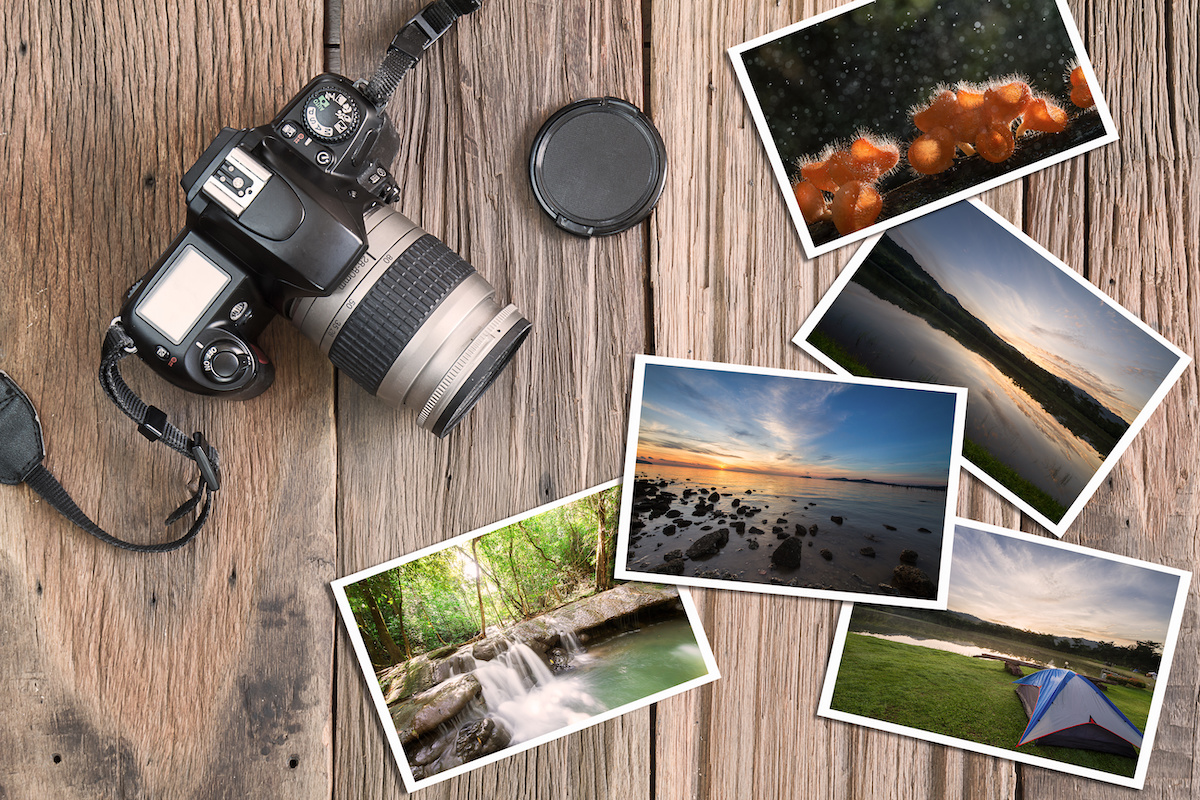
Using an older digital camera can also make taking photographs feel more intentional. Smartphones are constantly available, which means people can take hundreds of pictures without thinking much about them. With an older camera, users may need to carry a separate device, check the battery, manage a memory card, and transfer photographs later. These small limitations can make the process feel more meaningful. Instead of instantly uploading every photograph, users can take pictures during an event and review them later.
Social Media and Individuality
Social media has created a strong demand for unique visual content. When millions of people use similar smartphones and editing apps, photographs can begin to look alike. Older digital cameras provide an easy way to create a different visual identity. Their distinctive image quality can make ordinary moments look more personal. Some users also enjoy sharing unedited photographs because they feel less manufactured than heavily filtered smartphone images.
Affordable Entry into Photography
Another advantage is affordability. While professional cameras and modern mirrorless systems can be expensive, older compact digital cameras can sometimes be found at relatively accessible prices through secondhand markets, thrift stores, family collections, and online marketplaces. This allows beginners to experiment with photography without making a major investment. The simple controls of many older point-and-shoot cameras can also make them approachable for people who do not want to learn complicated camera settings.
Conclusion
The renewed interest in older digital cameras reflects more than a simple technology trend. For many Gen Z users, these cameras provide nostalgia, individuality, and a visual style that modern smartphones do not always reproduce naturally. Their imperfections can make photographs feel more authentic, while their physical presence encourages people to slow down and think about photography differently. As digital culture continues to evolve, older cameras demonstrate that sometimes the appeal of technology comes not from having more features, but from having a different experience.