Introduction
Fall is one of the most rewarding seasons for landscape photography. The changing leaves, softer sunlight, misty mornings, and colorful scenery create countless opportunities for memorable photographs. Whether you are using a professional camera, a mirrorless system, or a smartphone, autumn landscapes can provide beautiful subjects with natural depth and character. With thoughtful planning, the right lighting, and a few practical techniques, you can capture the rich colors and peaceful atmosphere that make fall landscapes so appealing.
Choose the Right Location
Finding the right location is an important first step in fall landscape photography. Look for places with a variety of trees, open views, water, trails, mountains, or interesting architectural features. A location with different colors and textures can make your images more visually engaging. Before your photography trip, research the area and check when the leaves are expected to reach their peak. Visiting early in the season can provide green, yellow, and orange tones, while later visits may offer deeper reds and golden-brown shades. Exploring your location before the ideal shooting time can also help you identify strong compositions.
Make the Most of Golden Hour
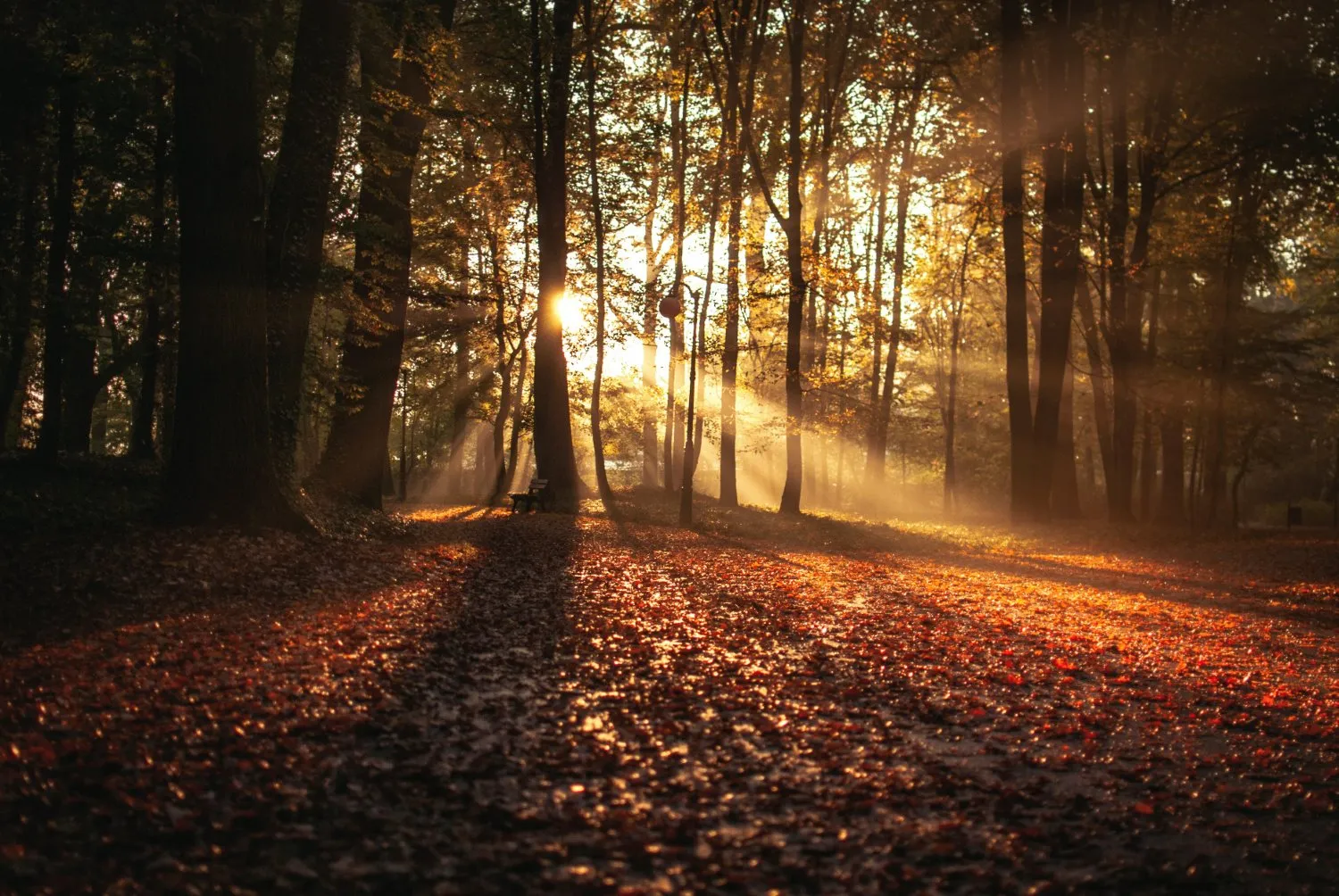
Lighting can dramatically change the appearance of an autumn landscape. Early morning and late afternoon, often called golden hour, provide softer and warmer light than the middle of the day. This gentle illumination can emphasize the colors of leaves while creating attractive shadows and highlights. Morning photography can also offer mist, dew, and calmer conditions, adding atmosphere to your images. During sunrise or sunset, position yourself so that the light enhances the landscape rather than creating unwanted glare. Experiment with different directions and angles to discover how sunlight affects the colors and textures around you.
Create Strong Composition
A beautiful landscape becomes more compelling when the composition guides the viewer through the photograph. Use natural elements such as paths, rivers, fences, or rows of trees as leading lines. Foreground objects, such as fallen leaves, rocks, or branches, can add depth and make an image feel more three-dimensional. Try including layers in your composition by combining foreground, middle ground, and background elements. Avoid placing every important subject directly in the center. Moving your camera slightly to one side or changing your height can often create a more balanced and interesting photograph.
Capture Autumn Colors Naturally
Fall is known for vibrant colors, but it is easy to overprocess them during editing. Start by capturing the scene with accurate exposure and then make subtle adjustments to contrast, highlights, shadows, and saturation. Look for natural color combinations such as red leaves against green vegetation, yellow trees beside blue water, or orange foliage under a cloudy sky. Overcast conditions can also be excellent for photographing autumn colors because the soft light reduces harsh shadows and produces more even tones.
Experiment with Different Perspectives
Do not rely on a single viewpoint. Move around your subject and experiment with high, low, wide, and close-up perspectives. A low camera position can make foreground leaves appear larger and more dramatic, while a wider view can emphasize the scale of a forest or mountain landscape. You can also photograph small details, such as colorful leaves covered in morning dew, alongside wider landscape images. Combining different perspectives helps tell a more complete visual story of the season.
Prepare for Changing Weather
Autumn weather can change quickly, so preparation is essential. Check the forecast before leaving and carry appropriate clothing and protective equipment for your camera. Rain, fog, and cloudy skies should not automatically stop a photography trip. These conditions can create moodier and more distinctive photographs. After rain, look for reflections in puddles, wet leaves, and streams. Fog can simplify a busy landscape and create a sense of depth by partially hiding distant objects.
Conclusion
Great fall landscape photography combines preparation, observation, creativity, and patience. Choose locations carefully, take advantage of beautiful natural light, build strong compositions, and experiment with different perspectives. Most importantly, slow down and pay attention to the details around you. Autumn landscapes can change from one day to the next, so returning to a location at different times can reveal completely different photographic opportunities. With practice and careful planning, you can capture images that showcase the warmth, color, and atmosphere of fall.