Introduction
Letting go of belongings can be surprisingly difficult, especially when those items are connected to meaningful memories. An old dress, a childhood toy, handwritten letters, furniture, or souvenirs may carry emotional value that goes far beyond their practical purpose. However, keeping everything is not always necessary to preserve the memories associated with them. One simple and meaningful solution is to take photographs of sentimental belongings before letting them go. Photos can help you preserve the story and emotion attached to an object while creating more physical space in your home.
Why Letting Go Can Be Difficult
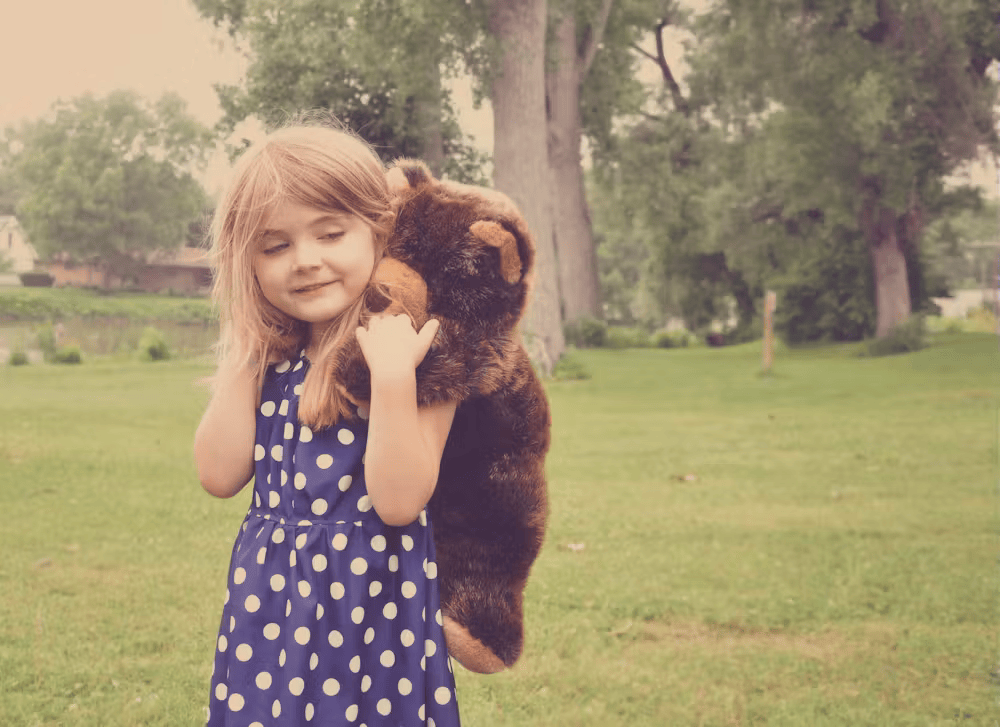
People often hold on to possessions because they represent important moments, relationships, or stages of life. A small object may remind you of a loved one, a special trip, childhood experiences, or an important achievement. Getting rid of it can therefore feel like getting rid of part of the memory itself. In reality, memories are not stored exclusively in physical objects. The experiences, emotions, and people connected to those objects remain with you. Recognizing this distinction can make the process of decluttering much easier.
Use Photos to Preserve Memories
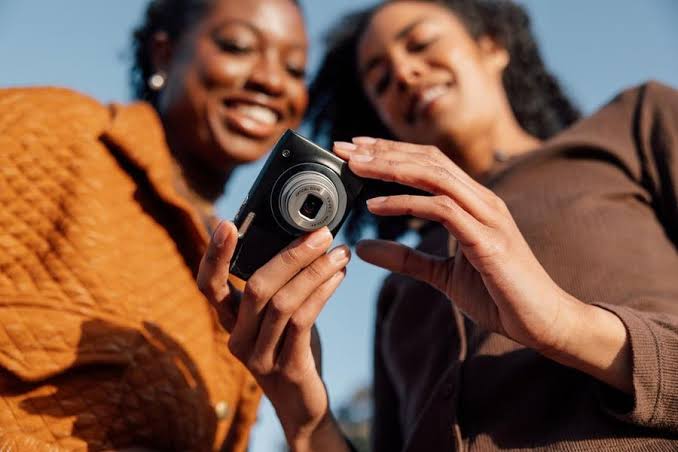
Taking photographs before parting with sentimental items provides a visual record that can be revisited whenever you want. Instead of keeping a box filled with objects you rarely use, you can create a digital album containing photographs of the things that once mattered to you. Photograph the item from different angles and, if possible, capture it in a setting that adds context. For example, if you are letting go of an old piece of furniture that belonged to your grandparents, photograph it in the room where it has been used for years. The image can preserve more than the object itself; it can capture part of its story.
Add Stories and Personal Details
A photograph becomes even more meaningful when you include a short description of the memory behind it. You can create a digital album with notes explaining where the item came from, who gave it to you, or why it was important. These details can help future family members understand the significance of the objects. A photo of an old watch, for example, may seem ordinary without context. A note explaining that it was a graduation gift from a parent can transform the image into a meaningful family memory.
Create a Digital Memory Collection
Technology makes it easier than ever to preserve photographs without taking up physical space. You can organize pictures into folders based on different periods of your life, family members, holidays, or important occasions. Cloud storage, external drives, or private digital albums can provide convenient ways to keep these memories accessible. Organizing your collection also prevents sentimental photographs from becoming another source of clutter.
Letting Go Without Forgetting
The purpose of photographing sentimental possessions is not to make you forget them. Instead, it allows you to separate the memory from the physical object. Once you have captured the item and recorded its story, you may find it easier to donate, recycle, sell, or give it to someone else. Knowing that you have preserved a visual reminder can reduce the guilt that often comes with letting things go.
Make Room for New Memories
Decluttering can create physical and emotional space for new experiences. When your home contains fewer unnecessary belongings, meaningful items can become more noticeable and valuable. Photographing sentimental possessions allows you to honor the past without allowing it to occupy every corner of your living space. You can appreciate where you have been while making room for what comes next.
Conclusion
Letting go of possessions does not mean letting go of the memories connected to them. Photography offers a simple way to preserve meaningful moments while reducing physical clutter. By taking thoughtful pictures, recording personal stories, and organizing them into a digital collection, you can keep the emotional value of important belongings without needing to keep every object. Sometimes, the best way to cherish something is to capture its memory and confidently make space for the future.